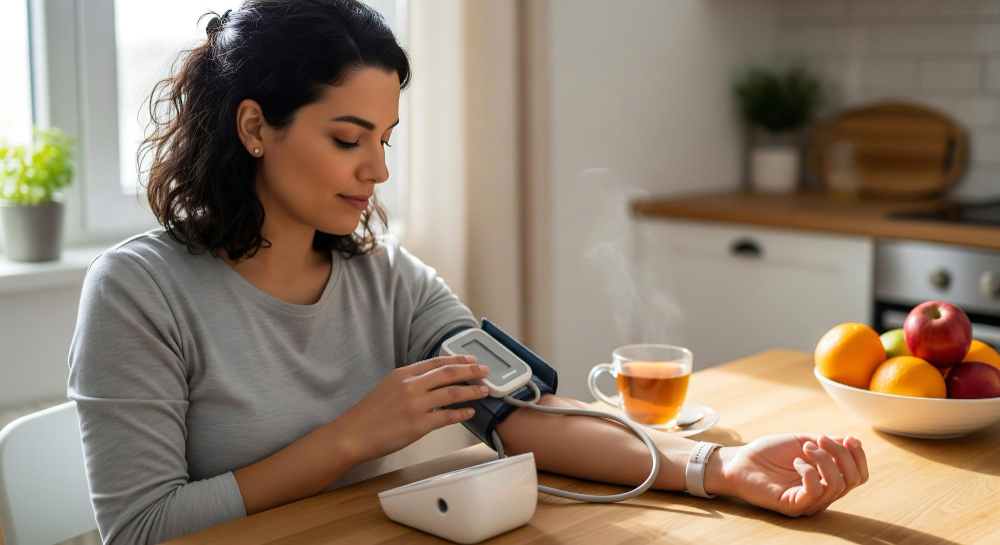
What is High Blood Pressure?
High blood pressure, also called hypertension, happens when the force of blood against your artery walls is too high. Over time, this can damage your heart and blood vessels. Because high blood pressure often has no symptoms, many people do not know they have it. However, regular checks can help you catch it early. According to the CDC, normal blood pressure is less than 120/80 mmHg.
Symptoms and Risks
Often, high blood pressure is called a “silent killer” because you may not feel sick. Still, it can cause serious health problems if left untreated. For example, it can lead to heart disease, stroke, or kidney damage. Sometimes, you might notice:
But, these symptoms usually appear only when blood pressure is very high. Therefore, regular monitoring is important.
Causes and Diagnosis
Many factors can cause high blood pressure. For instance, being overweight, eating too much salt, or not being active can raise your risk. Family history also plays a role. Sometimes, other health problems like kidney disease or hormone issues can cause it. Doctors diagnose high blood pressure by measuring it with a cuff. Usually, they check it on more than one visit to be sure.
The Role of Diet in Blood Pressure Control
What you eat can have a big impact on your blood pressure. In fact, a healthy diet is one of the best ways to lower blood pressure naturally. Here are some tips:
Additionally, foods rich in potassium, like bananas and spinach, help balance salt in your body. The DASH diet, recommended by the American Heart Association, is one of the best diets for hypertension. It focuses on these healthy choices.
Exercise for Managing High Blood Pressure
Physical activity is another key part of managing high blood pressure. Even simple activities can help. For example, walking briskly for 30 minutes most days can lower your numbers. Other good options include:
However, always start slowly if you are new to exercise. Over time, regular movement makes your heart stronger and helps control your blood pressure. According to the WHO, adults should aim for at least 150 minutes of moderate exercise each week.
Stress Management Techniques
Stress can make your blood pressure go up. Therefore, learning how to relax is important for heart health. Try these stress reduction techniques:
Moreover, regular stress management can help you feel better and keep your blood pressure in check.
Prevention and Lifestyle Tips
Making small changes in your daily life can prevent or control high blood pressure. For instance, you can:
Because these steps are simple, you can start today. Over time, they make a big difference in your health.
When to See a Doctor
If you have high blood pressure, regular check-ups are important. See your doctor if you notice any new symptoms, such as chest pain or severe headaches. Also, if your blood pressure stays high despite lifestyle changes, seek medical advice. Sometimes, you may need medicine to help control it. Your doctor can guide you on the best plan for your needs.
In summary, managing high blood pressure is possible with healthy lifestyle choices, regular monitoring, and appropriate medical care. Consult Balaji Prasad Ramisetti for personalized guidance, evaluation, and effective strategies to manage high blood pressure and support your overall health.