Knowing your cholesterol levels before they become a risk is key to good heart health. Many people do not realize that high cholesterol can lead to serious problems. However, you can take steps to protect yourself. Understanding cholesterol risk factors, the healthy cholesterol range, and ways of preventing high cholesterol can help you stay healthy. In this guide, you will learn why it is important to check your cholesterol and how to keep it in a safe range.
What Is Cholesterol?
Cholesterol is a waxy, fat-like substance found in your blood. Your body needs some cholesterol to build cells and make hormones. However, too much cholesterol can cause problems. There are two main types:
For example, when LDL is high, it can build up in your blood vessels. But HDL helps clear it away. Both types are important for your health.
Why Is It Important to Monitor Cholesterol Levels?
Monitoring your cholesterol levels helps you spot problems early. Even if you feel fine, high cholesterol can still be a risk. Over time, extra cholesterol can block blood flow in your heart and brain. This may lead to heart attacks or strokes. In addition, knowing your healthy cholesterol range helps you make better choices. Regular checks also show if your lifestyle changes are working.
Symptoms and Risks of High Cholesterol
Usually, high cholesterol does not cause symptoms. Because of this, many people do not know they have it. However, high cholesterol is a major risk factor for heart disease. It can also raise your chance of stroke. Over time, cholesterol can build up in your arteries. This buildup is called plaque. Plaque makes it harder for blood to flow. As a result, your heart works harder. You may face risks such as:
Therefore, it is important to check your cholesterol even if you feel healthy.
How to Check Your Cholesterol Levels
Checking your cholesterol is simple. A blood test called a “lipid panel” measures your cholesterol levels. Your doctor will take a small blood sample. You may need to fast for 9–12 hours before the test. After the test, you will get results for:
Most adults should check their cholesterol every 4–6 years. However, your doctor may suggest more frequent checks if you have risk factors.
Interpreting Cholesterol Test Results
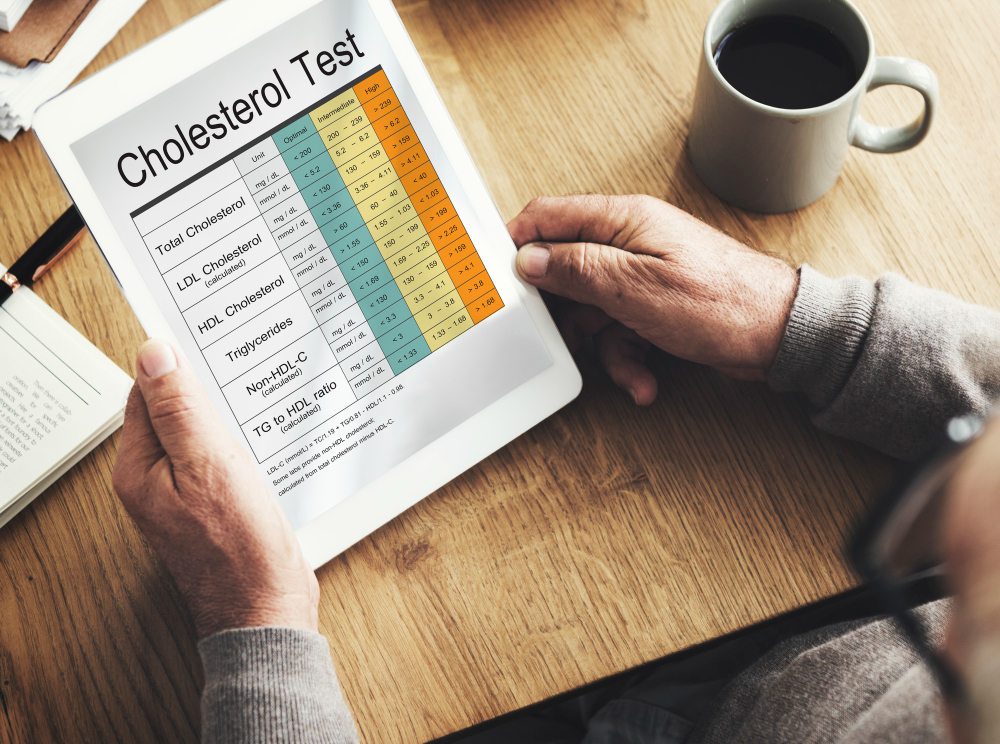
Understanding your test results is important. Here are the healthy cholesterol ranges for most adults:
If your numbers are outside these ranges, you may need to make changes. For example, high LDL or low HDL can increase your risk. Always discuss your results with your healthcare provider.
Lifestyle Tips to Maintain Healthy Cholesterol
There are many ways to keep your cholesterol in a healthy range. For instance, small changes can make a big difference. Try these tips:
With these steps, you can lower your cholesterol and protect your heart.
Prevention: Steps to Reduce Cholesterol Risk
Preventing high cholesterol is easier than treating it later. Because of this, start healthy habits early. Here are some prevention steps:
In addition, talk to your doctor about your personal risk factors. They can help you set goals and track your progress.
In summary, knowing your cholesterol levels before they become a risk can save your life. Early action and healthy choices make a big difference. Consult Dr. Balaji Prasad Ramisetti to understand your cholesterol levels and get personalized advice.